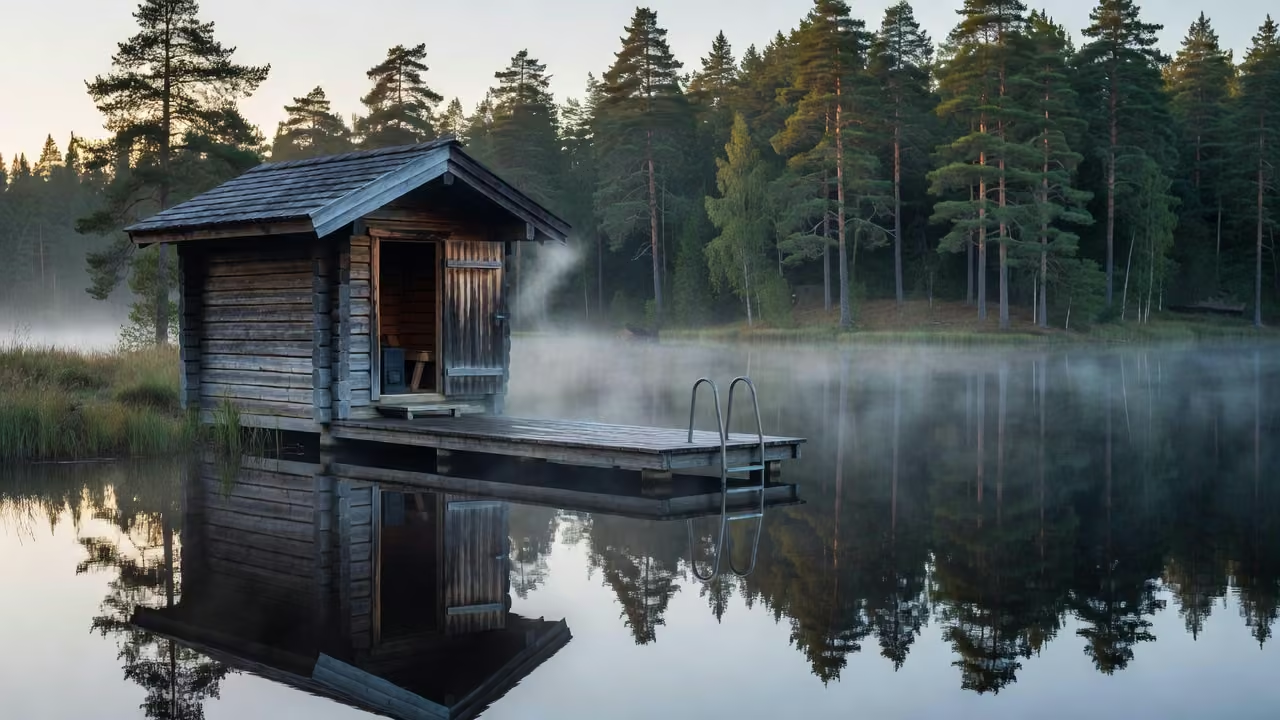
In the old farm household the sauna was not a weekend luxury; it was load-bearing infrastructure. Before indoor plumbing, one heated wooden room served as the place to wash, to dry grain and meat, to brew, to keep medicines and, in a pinch, to care for the sick.
Washing before plumbing
The whole house bathes
With no running water indoors, the sauna was the one place the family could wash properly. A typical farm steamed the sauna once a week, and household members washed there in turn — the origin of the rhythm many Finnish families still keep.
A room of many uses
Drying, brewing and smoking
The same radiant heat that bathed the family dried grain, malt, flax and meat. In the autumn, foodstuffs were laid out in the sauna's warmth, and small-scale brewing of beer for festivals often took place there too. The sauna was where the farm kept things warm and dry.
Drying, healing, storing
A tiny rural hospital
Warmth and hot water made the sauna the natural place to care for the ill and injured — a role that stretched from simple bathing to hearing the stories of the sick and calming them in a private, quiet room.
The social role
News, gossip and quiet company
The weekly sauna drew neighbours together and acted as a social anchor of the farm. In regions where households sat far apart, the sauna gathering was one of the reliable chances to exchange news and keep the community connected.