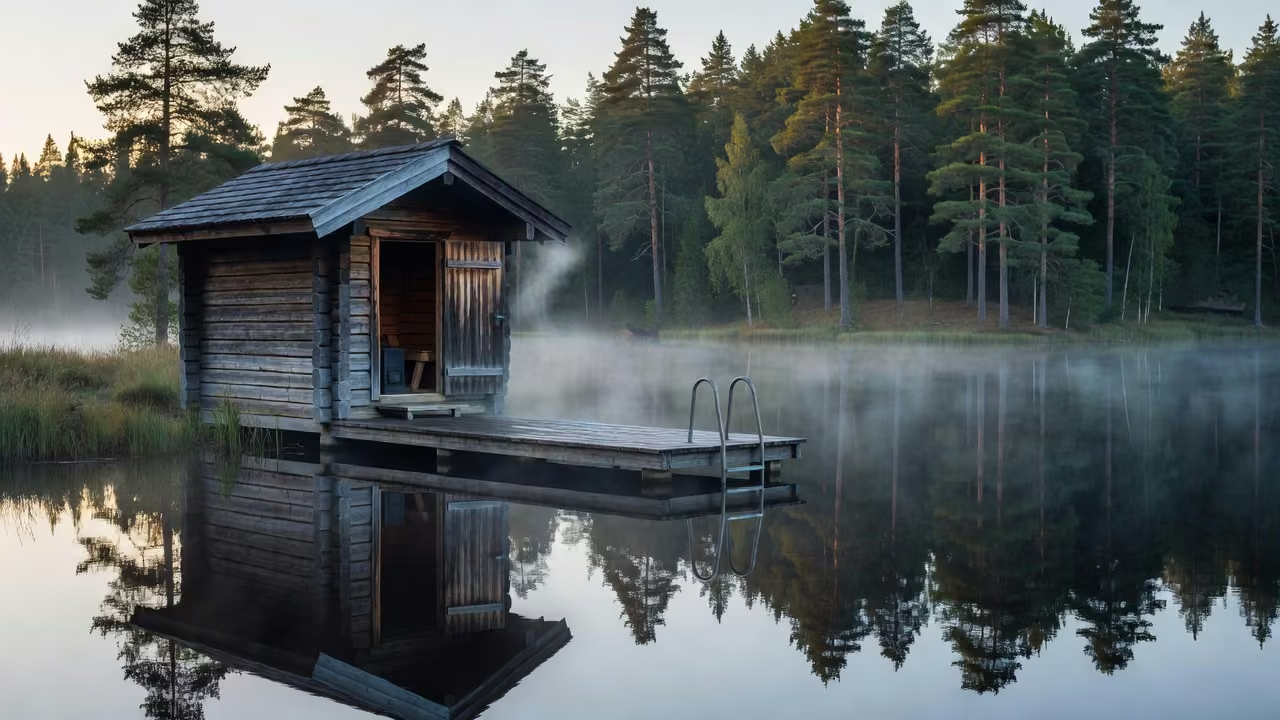
No one can name the very first sauna, but archaeologists and historians agree on the broad outline. The sauna grew out of a simple idea — a small, dark, heated room used for washing, resting and healing — and it has been a constant in northern life for far longer than most other habits we think of as modern.
The first saunas
A room of earth and stone
The earliest Finnish saunas were probably dug into the ground, a pit lined with stones that were heated by a fire and then dashed with water to throw out heat and steam. Roofed with turf and branches, such a room was both a bathhouse and a refuge from the cold — a warm, dark, smoke-filled chamber that is still recognisable in the smoke sauna of today.
Older than the written record
The first surviving mention of a sauna in writing is centuries old, but the practice is clearly much older than any document. By the time outsiders began to describe the Nordic way of washing, the sauna was already a fully formed institution — a place with rules, rituals and a role far beyond simple hygiene.
From earth to timber
Why wood became the rule
Finland is a forest country, and as soon as fireplaces could be built safely in timber buildings, the sauna moved out of the earth and into a log cabin. Timber gave the sauna its famous even, radiant heat, since the thick walls absorb warmth slowly and release it steadily long after the fire has died down.
The smoke sauna era
Heating the stones, then the room
For most of sauna history the room had no chimney. The fire heated a great pile of stones directly, filling the room with smoke; when the wood had burned down, the smoke was let out, the soot washed off the benches, and the retained heat in the stones stayed for a long bathing session. This is the savusauna, the original sauna.
Why it survived
A habit too useful to drop
The sauna survived because it kept proving itself useful — for washing when plumbing was unheard of, for warmth, for healing, and for the quiet social life that gathered around it. When homes grew larger and bathing spread to other rooms, the sauna did not disappear; it simply adapted, as it has done every century since.