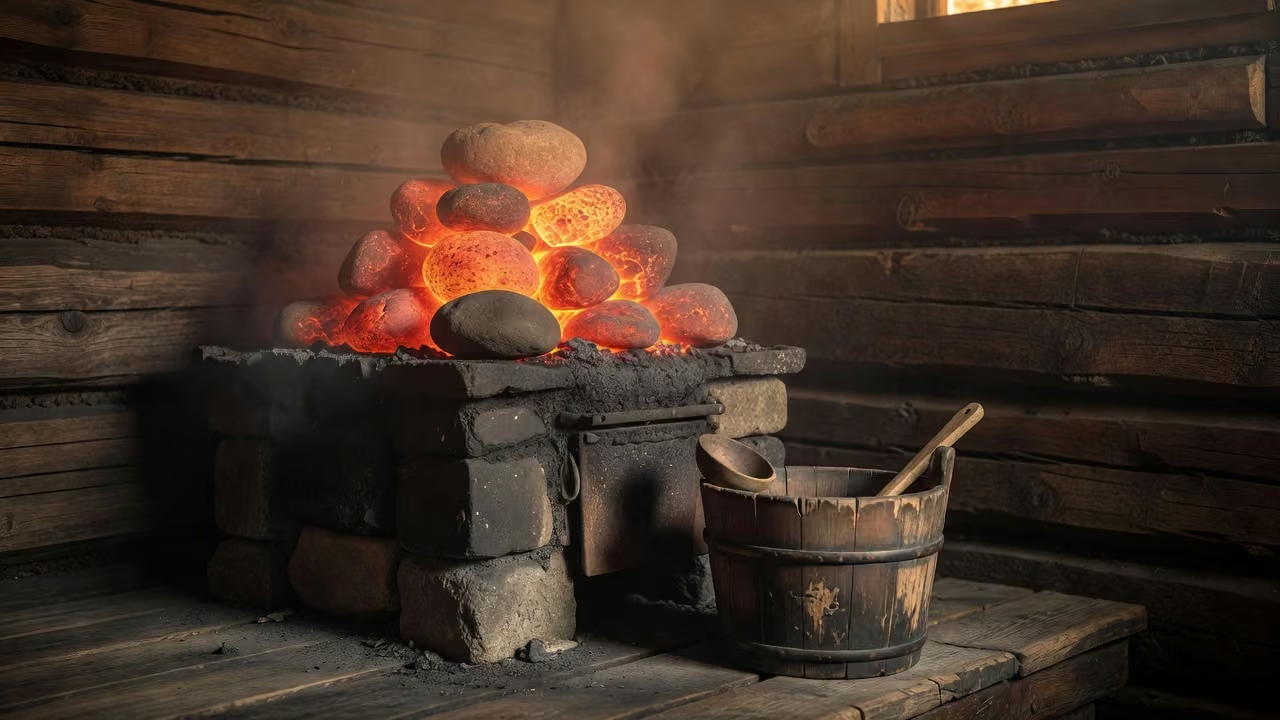
Perhaps no single invention did more to keep the sauna alive than the electric stove. In the decades after it appeared, the electric sauna moved the tradition out of the countryside and into city apartments and public baths — making it possible for nearly every Finn, and millions of others, to enjoy the sauna any day of the week.
Before electricity
Wood and fire only
Until the mid-20th century the sauna meant wood. A family either owned a sauna with a wood stove, or went without. City dwellers who had no wood-fired sauna often simply lacked one — a real limitation for people who had grown up with the custom.
The first electric sauna
A stove you could switch on
The electric sauna stove heated a box of stones with electric elements, reachable by thermostat in well under an hour. Small and clean, it needed no chimney and no fuel store, which meant it could be fitted into cramped apartments and public buildings where a wood sauna could never go.
Across the country
From housing block to every home
Post-war building programs embraced the idea, and saunas began appearing in apartment blocks, hotels, sports centres and private homes throughout Finland. The sauna became a near-universal amenity rather than a country luxury, and the habit of regular bathing spread further than ever before.
Today's sauna room
A comfortable, convenient fixture
The modern electric sauna is compact, adjustable and easy to live with. It is the reason so many Finnish apartments have their own sauna, and why the tradition now exists around the world — a small room with a switch on the wall that delivers the same old warmth and steam in a fraction of the time.